
Historical and Cultural Significance
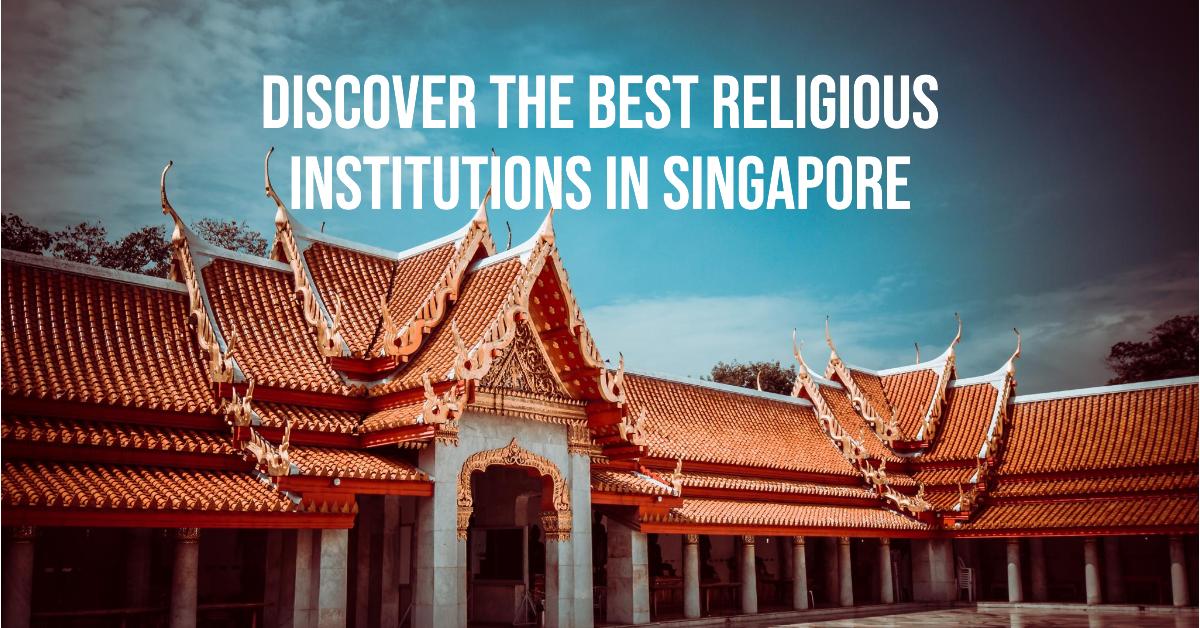
Singapore’s religious sites are not just places for worship; they’re pillars of the nation’s rich tapestry, echoing centuries of multicultural heritage. Temples, mosques, and churches dot the landscape, each telling its own story of faith and community. The Sri Mariamman Temple, for instance, Singapore’s oldest Hindu temple, showcases Dravidian architecture, while the majestic Sultan Mosque stands as a testament to Islamic artistry. These institutions serve as cultural compasses, guiding us through Singapore’s complex religious landscape with grace and resilience.
Visiting these sites, one cannot help but admire the meticulous craftsmanship and the stories etched in their walls, stories of migrations, trade, and the confluence of civilizations. They underscore the country’s commitment to cultural diversity and religious freedom, principles that have shaped its social fabric. This journey through Singapore’s spiritual heartlands is more than a lesson in history; it’s an immersion into living traditions that continue to influence the city-state’s dynamic present.
Top Religious Sites to Visit
Diving into the heart of Singapore’s spirituality requires a roadmap to its most cherished institutions. Here, we spotlight three must-visit sites, each a gateway to understanding the different facets of Singaporean faith.
- The Sri Mariamman Temple: As Singapore’s oldest Hindu temple, this landmark not only captivates with its architectural beauty but also serves as a focal point for the Hindu community’s most vibrant festivals, like Thaipusam.
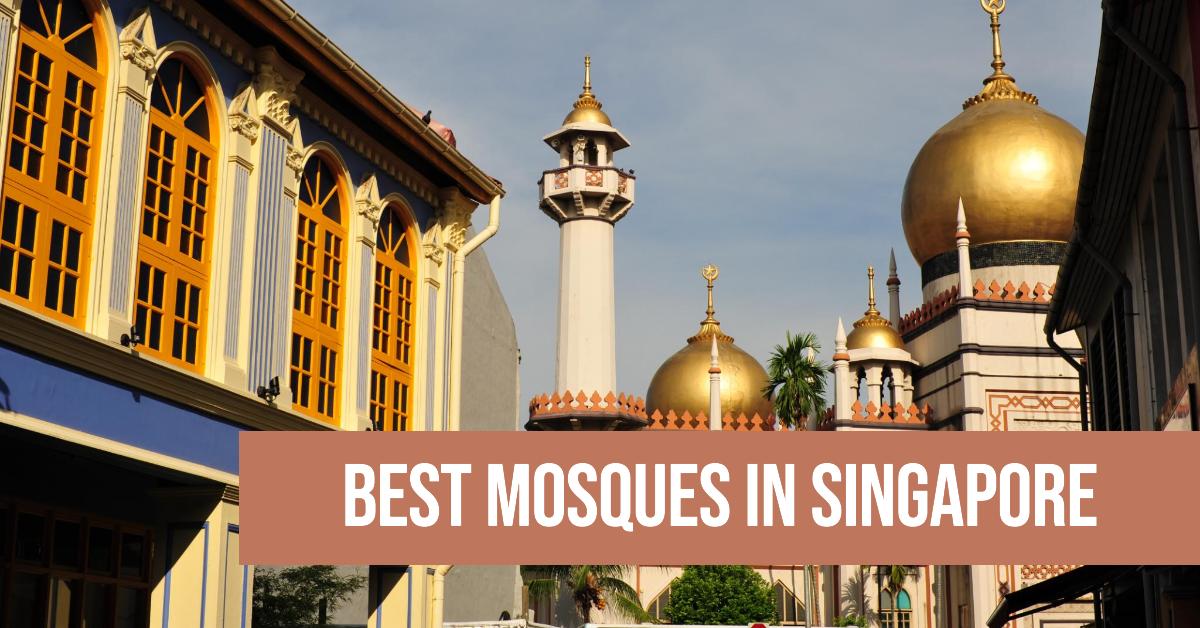
- The Sultan Mosque: Recognized by its golden domes, the mosque is not just a place of worship but a symbol of Islamic heritage in Singapore. Its ability to draw people from all walks of life speaks volumes about its role in promoting interfaith understanding.
- The Kong Meng San Phor Kark See Monastery: This Buddhist haven is the largest of its kind in Singapore, offering a peaceful retreat from the city’s hustle. It’s a place where one can meditate beside tranquil lotus ponds or explore the intricate artistry of its halls.
These sites, each with its own story, invite visitors to explore beyond the surface. They aren’t just architectural wonders; they’re vibrant communities where the essence of faith translates into acts of kindness, charity, and intercultural dialogue. Exploring these sites, one feels the pulse of a nation where different beliefs coexist in harmony, a testament to Singapore’s spirit of inclusivity.
Community Services and Social Impact
The role of Singapore’s religious institutions extends far beyond their spiritual mandates. They are powerhouses of community service, touching lives through a variety of outreach programs. From feeding the hungry to providing shelter for the homeless, these places of worship demonstrate faith in action.
Take, for example, the heartwarming initiatives at the Sikh Gurdwaras, where the tradition of Langar welcomes all, regardless of background, to partake in free communal meals. Similarly, the MUIS (Islamic Religious Council of Singapore) runs various welfare programs, supporting not only the Muslim community but also contributing to broader societal welfare.
These efforts showcase how Singapore’s religious institutions are pivotal in fostering a sense of unity and compassion within the community. They prove that the true essence of religion lies not in rituals, but in acts of generosity and the building of a more inclusive society. Through their deeds, they teach us valuable lessons about empathy, solidarity, and the power of community in creating a better world for all.
Interfaith Dialogue and Initiatives
In a world often divided by beliefs, Singapore shines as a model of interfaith harmony. The city-state’s religious institutions don’t just coexist; they actively engage in dialogue and collaborative projects, showcasing a profound commitment to mutual understanding and peace. This spirit of cooperation is perhaps best embodied in the Inter-Religious Organisation, Singapore (IRO), which brings together leaders from various faiths to foster dialogue and understanding across religious divides.
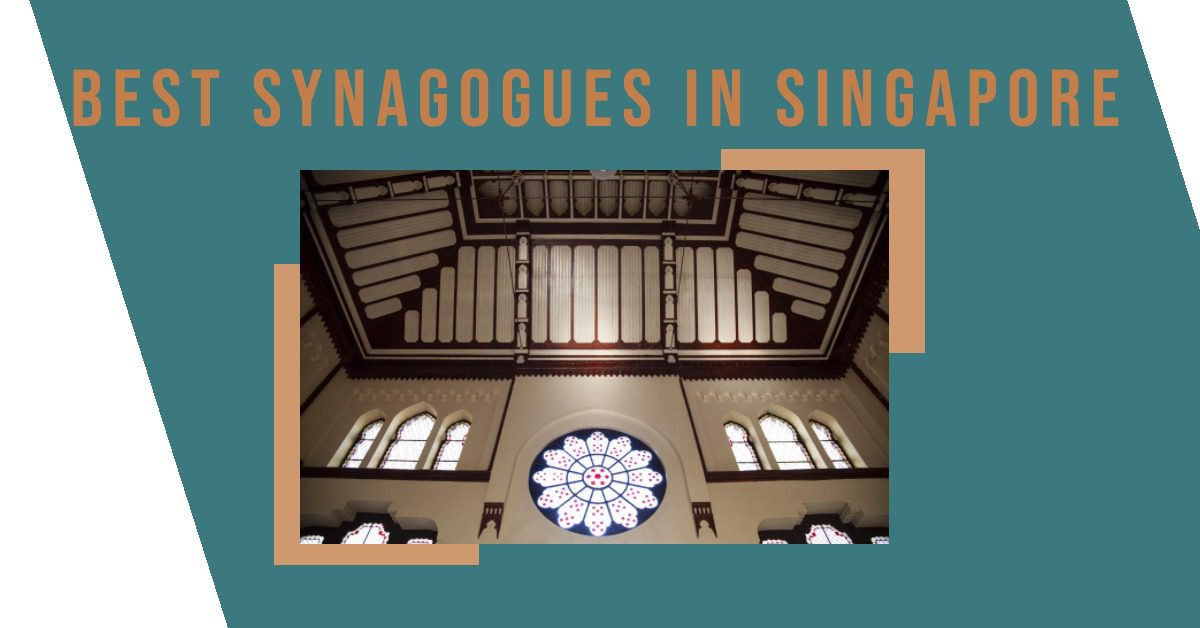
One remarkable initiative is the annual Interfaith Harmony Week, where mosques, temples, churches, and synagogues open their doors to visitors from other faiths. These events, filled with shared meals, talks, and cultural performances, highlight the beauty of Singapore’s religious diversity and the common values that unite different communities. Through these efforts, Singapore teaches us that faith can be a bridge rather than a barrier, encouraging societies worldwide to embrace diversity as a source of strength.
Such initiatives not only promote peace but also educate the public about the rich tapestry of beliefs that make up the Singaporean identity. They dismantle stereotypes and build a foundation of respect and understanding that supports the nation’s social fabric. In essence, Singapore’s approach to interfaith dialogue serves as a beacon of hope, illustrating that even in our differences, there is a profound opportunity for connection and growth.
FAQs
1. What Should I Know Before Visiting Religious Sites in Singapore?
- Dress Code: Respectful attire is key. Most religious sites require visitors to dress modestly, covering shoulders and knees.
- Photography: While many places welcome photography, some areas within religious sites may restrict it. Always look for signs or ask permission.
- Participation in Rituals: Visitors are often welcome to observe or even participate in certain rituals. However, it’s crucial to follow the guidance of site staff or worship leaders.
- Opening Hours: Check in advance, as opening hours can vary, especially during religious holidays or events.
2. Can Non-Adherents Participate in Services or Events?
Absolutely! Most religious institutions in Singapore are welcoming to all, regardless of faith. Participation in services or events is often encouraged, fostering a deeper understanding and respect for the diverse religious practices found in Singapore. It’s an excellent way to immerse yourself in the local culture and spirituality.
3. Are There Guided Tours Available?
Yes, several religious sites offer guided tours, providing insights into the architectural significance, history, and current practices of the institution. These tours are a fantastic way to learn more about Singapore’s religious heritage directly from knowledgeable guides. Always check the official site or contact the institution directly for the most accurate information on tour availability.
Conclusion
Exploring the best religious institutions in Singapore offers more than a glimpse into the city-state’s spiritual life; it’s an invitation to witness the power of faith in building bridges between diverse communities. These institutions stand as testaments to Singapore’s commitment to multiculturalism and religious harmony, offering lessons in tolerance, respect, and understanding that resonate far beyond their walls.