
Traditional Emirati Dishes
Emirati cuisine, rooted in history and tradition, boasts flavors that tell the story of Dubai’s past. Al Harees, a staple during Ramadan, is a creamy porridge made from wheat and meat, cooked for hours until it reaches a velvety texture. This dish embodies patience and communal feasting, often enjoyed during festive occasions.
Another must-try is Al Machboos, a fragrant rice dish spiced with cardamom, cloves, and cinnamon, typically served with meat or fish. The layers of flavor in Al Machboos reflect the influences of trade routes that passed through Dubai, bringing spices from India and beyond.
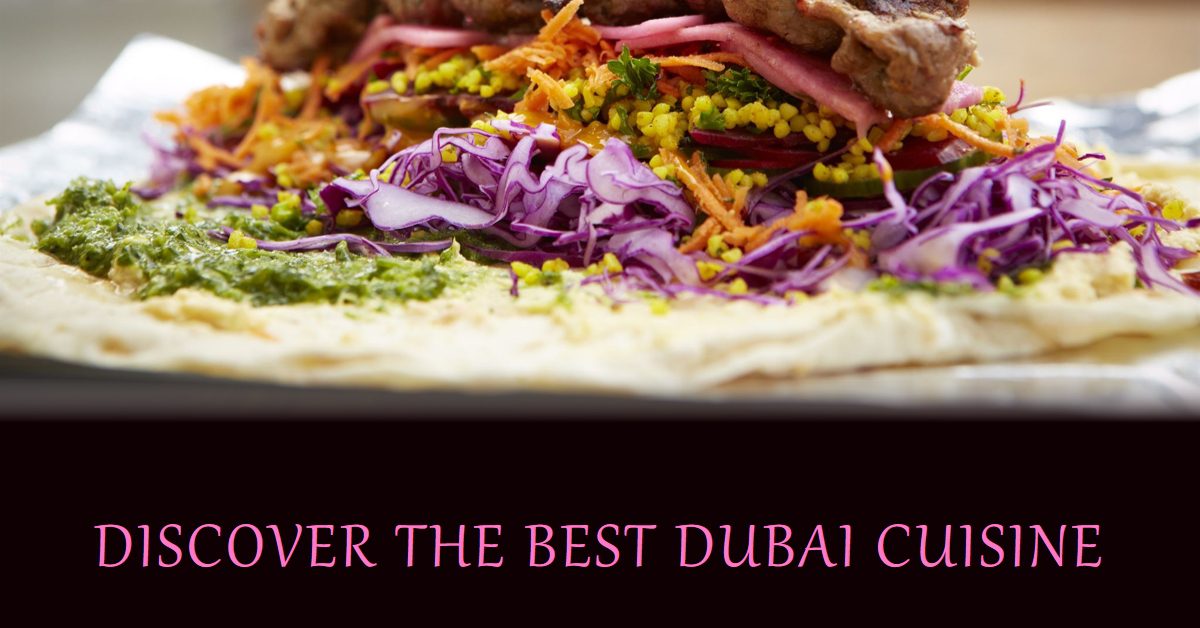
No visit to Dubai is complete without tasting Shawarma. Though popular worldwide, the Dubai version, with its rich marinade and tender meat, is unparalleled. Traditionally wrapped in flatbread and topped with garlic sauce and pickles, shawarma is the ultimate street food delight.
Street Food and Local Eats
Dubai’s street food scene is a testament to its diverse cultural tapestry. Falafel, crispy and golden, is a beloved snack made from ground chickpeas or fava beans. Each bite offers a satisfying crunch, followed by a burst of herbs and spices. Falafel is best enjoyed hot, straight from the fryer.
Manakish, often referred to as the Arabic pizza, is another local favorite. This versatile flatbread can be topped with za’atar, cheese, or meat. Manakish vendors can be found throughout the city, serving these delicious, warm breads from dawn till dusk.
For those with a sweet tooth, Luqaimat is a must-try. These sweet dumplings, drizzled with date syrup and sprinkled with sesame seeds, are a popular treat during Ramadan. Luqaimat, crispy on the outside and soft inside, offer a perfect balance of textures and flavors.
Modern Fusion Cuisine
Dubai’s innovative culinary scene blends tradition with modernity, creating unique dishes that surprise and delight. Camel sliders exemplify this trend, offering a gourmet twist on traditional camel meat. Juicy and flavorful, these sliders often come with contemporary garnishes like truffle mayo or avocado salsa.
Another example of fusion at its finest is Arabic sushi. This creative dish marries the freshness of sushi with Middle Eastern ingredients such as tahini and sumac. The result is a harmonious blend of textures and flavors, reflecting Dubai’s role as a culinary crossroads.
Shakshuka with a twist features prominently in many modern eateries. This dish, traditionally a poached egg dish in tomato sauce, is often enhanced with ingredients like lamb merguez sausage or feta cheese, adding depth and complexity. It’s a vibrant, hearty dish that pays homage to its roots while embracing new culinary possibilities.
Fine Dining Experiences
Dubai’s fine dining scene is renowned for its luxury and innovation. Top-tier restaurants offer not just meals but immersive culinary experiences. Truffle-infused hummus is a perfect example. This decadent twist on a classic dish combines the earthy aroma of truffles with the creamy, rich texture of traditional hummus, creating a sophisticated appetizer.
Another standout is lobster kibbeh, a modern take on the classic Levantine dish. Combining tender lobster with bulgur wheat and spices, this dish is a testament to Dubai’s ability to merge traditional recipes with high-end ingredients, offering diners a unique taste of luxury.
Dining at these establishments often means enjoying Arabic coffee and dates as a finishing touch. This traditional pairing, served in elegant settings, provides a warm and hospitable end to a luxurious meal. It’s a ritual that blends cultural heritage with contemporary elegance, embodying the spirit of Dubai’s culinary scene.
Food Markets and Festivals
Food markets in Dubai are more than places to buy ingredients; they are cultural hubs where tradition and community converge. The Spice Souk is a sensory overload of colors and aromas. Here, you can find everything from saffron to sumac, essential ingredients in many traditional Emirati dishes.
The Ripe Market offers a different experience. Known for its organic produce and artisanal products, it attracts a crowd looking for high-quality, locally-sourced goods. The market also features food stalls that serve a variety of cuisines, making it a great spot to sample different flavors in one place.
Don’t miss the Dubai Food Festival, an annual event celebrating the city’s culinary diversity. This festival brings together celebrity chefs, food tastings, and cooking demonstrations, offering a comprehensive look at Dubai’s food culture. It’s an event that showcases the city’s best culinary talents and offers a taste of its vibrant food scene.
Tips for Food Enthusiasts
To make the most of Dubai’s culinary offerings, visit during the cooler months from November to March. This period is ideal for outdoor dining and food festivals. Remember to respect local customs: dress modestly and be mindful of Ramadan, when eating in public during daylight hours is not allowed.
For a truly authentic experience, venture beyond the well-known tourist spots. Eat where the locals eat to discover hidden gems and traditional flavors. Ask locals for recommendations; they often know the best places to enjoy genuine Emirati cuisine.
Finally, engage with the culture. Learn a few Arabic phrases, show appreciation for the food, and understand the significance behind the dishes. This approach will enhance your culinary journey, making it not just about the food but also about connecting with the rich cultural tapestry of Dubai.